Technology & Engineering
Technology · Engineered in Berlin
Engineering vision beyond human limits.
ITTH develops the complete technology behind automated industrial inspection – from optics and microsecond illumination to image analysis, measurement and reliable 24/7 operation. We do not just integrate cameras and AI software: we design, build and run the whole inspection chain.
Technical facts, with their context
Each figure belongs to a specific product and operating condition; they are not universal system specifications.
From photons to actionable results
Six engineering disciplines, developed in-house and shared across every ITTH system.
High-speed imaging
Line-scan and multi-camera systems, optics and synchronised acquisition.
Precision illumination
Infrared and white-light LED arrays with microsecond timing.
Computer vision & metrology
Geometric measurement, image comparison, classification and deep learning.
Identification & sensor fusion
RFID, axle counters, number plates and wagon numbers tied to every image.
Industrial computing
High-throughput acquisition, GPU analysis and server/client architecture.
Industrial reliability
Rugged hardware, self-monitoring, remote service and long-term support.
The ITTH inspection chain
- 01Capturesynchronised cameras
- 02Illuminatepulsed IR / white light
- 03Analysealgorithms and trained models
- 04Measuretraceable results
- 05Integratealarms, ERP, operators

High-speed imaging
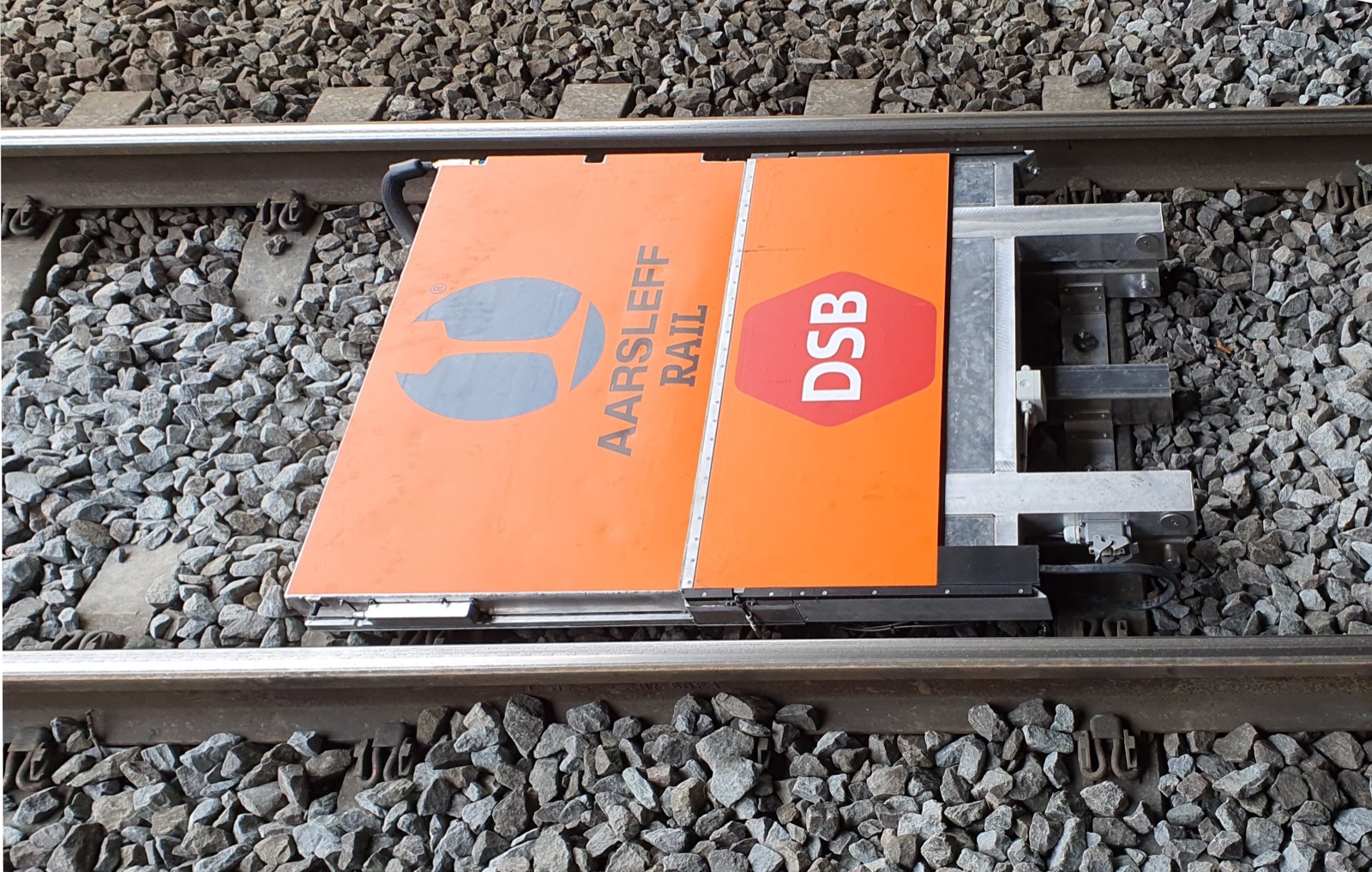
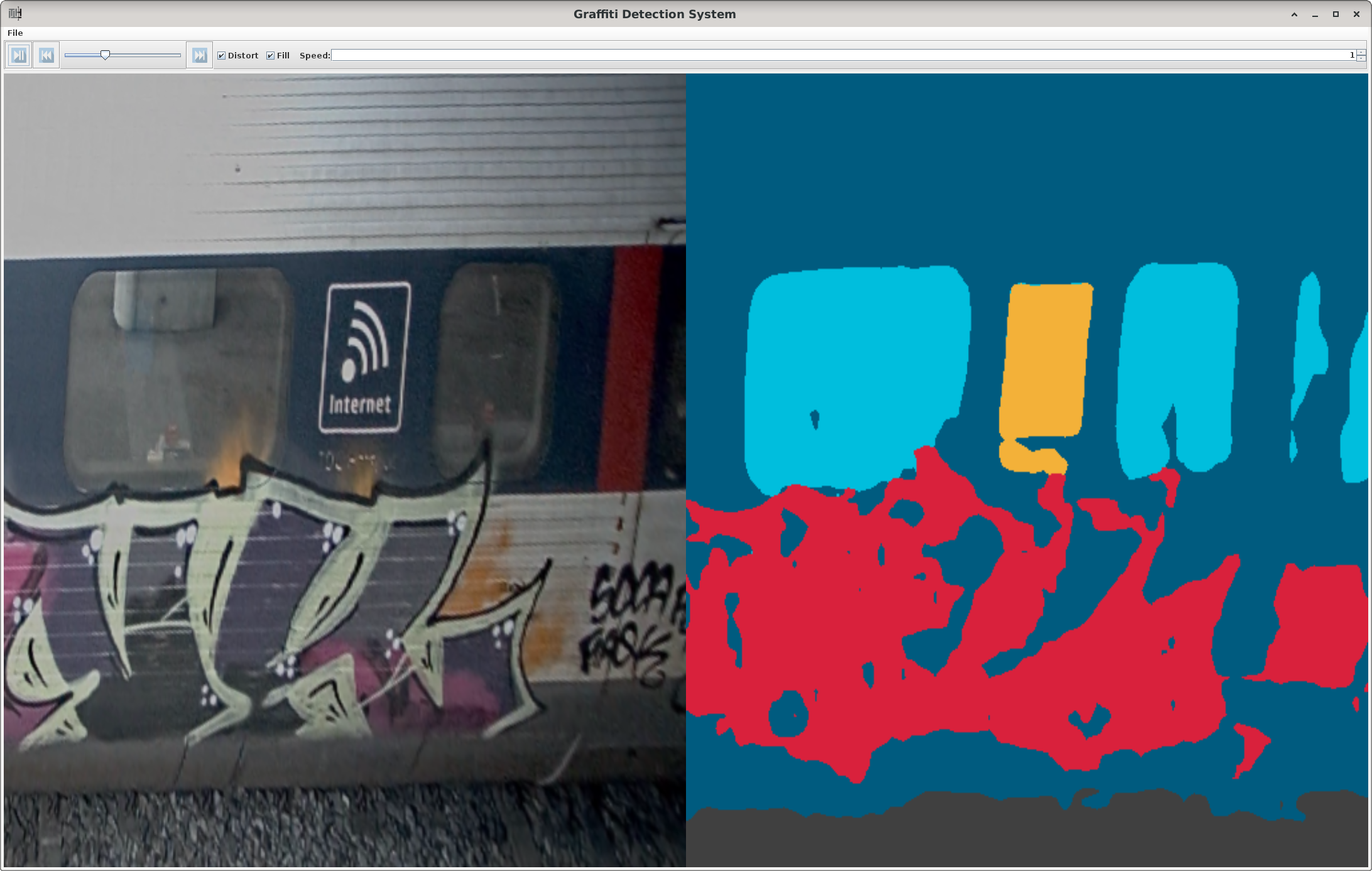
Moving vehicles set the rules: exposure has to be short enough to freeze motion, resolution high enough for the smallest relevant detail, and acquisition fast enough for every axle at line speed. ITTH chooses the sensor type per task – line-scan cameras in the track bed build a continuous image of a whole freight wagon from coupler to coupler, area-scan cameras in a flat roadway unit capture car and truck underbodies, and 6 to 10 synchronised cameras look at the brakes of each axle in ABI.
Design decision: a line-scan camera turns vehicle motion into image lines, so the image is complete at any length and resolution along the track only depends on line rate and speed. Area-scan cameras are preferred where a vehicle may stop or change speed.
Technical details
- Line rates and exposure matched to vehicle speed
- Fixed optical geometry and calibration per installation
- Fibre-optic image transfer where distances are long (UVIS)
- Processing up to 500 m away from the trackside scanner (ABI)
Precision illumination
Illumination often decides measurement quality more than the camera does. ITTH builds its own illumination: the ITTH illumination controller drives very bright infrared and white-light LED arrays with pulses down to 25 µs, triggered by industrial cameras running at several thousand frames per second. The same controller is used in PABOLUX, ABI and UVIS.
Design decision: infrared gives stable, high-contrast images independent of daylight and weather and is invisible to people – the usual choice for automatic analysis. White light adds colour and fine detail when staff check images visually.
Technical details
- Pulse timing synchronised with the camera exposure
- Several LED arrays per controller
- Day and night operation with the same image quality
- Own LED line lights for the PABOLUX track scanner
Computer vision & metrology
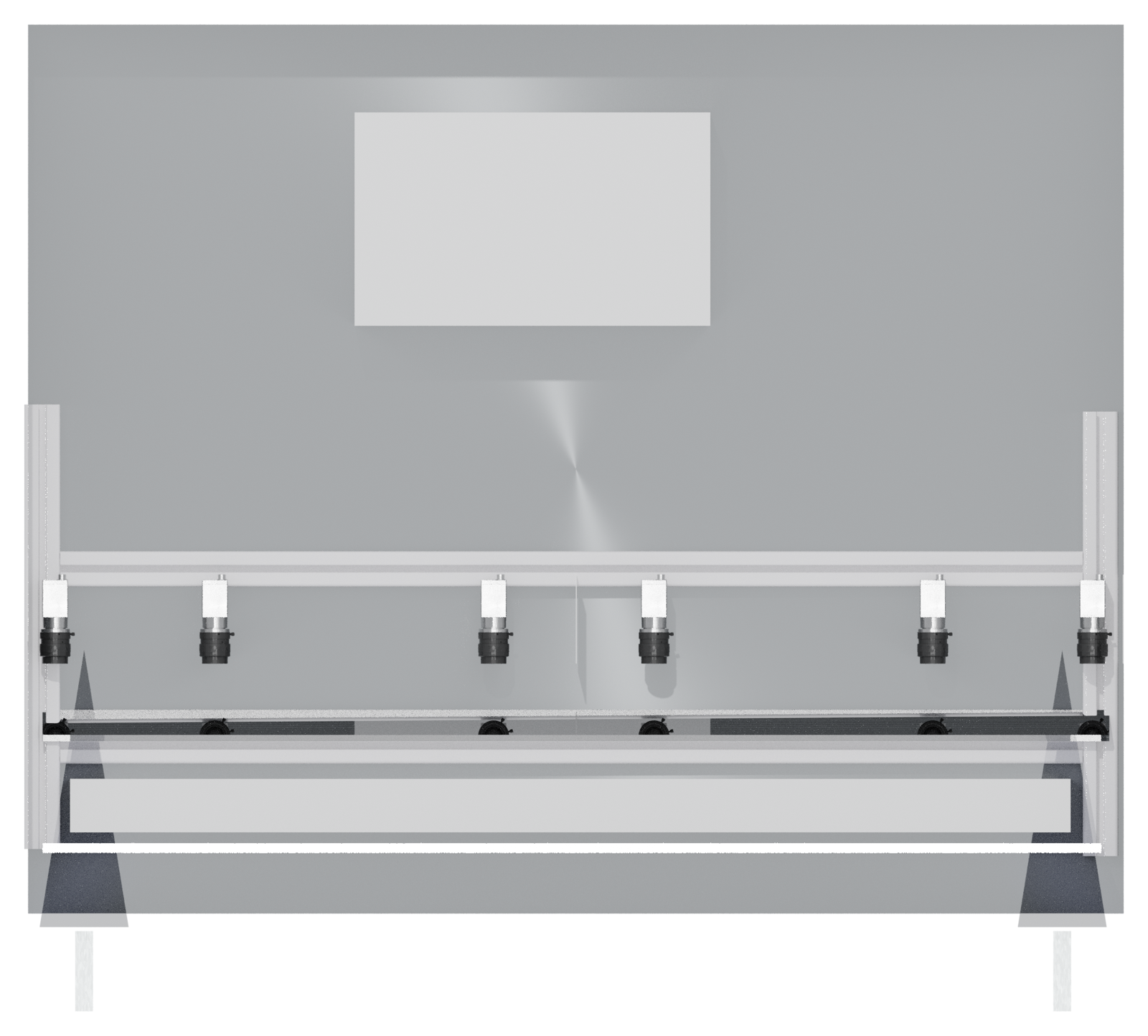
An inspection result has to be repeatable and checkable. ITTH combines deterministic image processing – calibration, registration, geometric measurement – with trained models such as convolutional networks and semantic segmentation, which classify every pixel of an image. ABI measures pad and disc thickness; UVIS compares a new scan with earlier passages of the same vehicle; TAGDET finds new graffiti on the car body.
Design decision: where a value is measured, geometry comes from calibrated, deterministic methods; learned models find and segment the parts to be measured. This hybrid keeps accuracy and validation under control instead of trusting a general-purpose model with the number.
Technical details
- Image registration against reference passages
- Pixel-level semantic segmentation
- Robust against dirt, dust and fluids on components
- Every result stored with its image for later review
Identification & sensor fusion
A measurement is only useful when it belongs to the right vehicle and component. ITTH systems link each image to an identity and a time: RFID readers and Frauscher axle counters on the track, number plate recognition with detection rates above 99 % on the road, and the wagon number for freight wagons. The axle counter also triggers the measurement itself.
Design decision: trigger, identity and image are correlated by events and timestamps, so every record can be traced back to vehicle, axle and passage – the basis for wear trends over months.
Technical details
- RFID, optical identification as an option
- ANPR for international plates
- Axle-exact assignment of brake measurements
- Full history per vehicle
Industrial computing & data architecture
Many cameras at high frame rates produce a large data stream that has to be acquired, analysed and archived without loss. ITTH uses GPU-accelerated analysis (about 1/50 s per image in TAGDET), a server/client architecture with a central database and several workstations, and plain TCP/IP for all components – no proprietary field buses.
Design decision: open network standards and a central database make it straightforward to connect results to customer systems: limit values raise alarms in SAP or via an SMS gateway, digital I/O drives barriers and traffic lights, export interfaces feed ERP and fleet systems.
Technical details
- Control cabinet or 19″ rack
- Clients for all current operating systems
- Mobile network connection possible
- Complete archive of image, identity and time
Industrial reliability
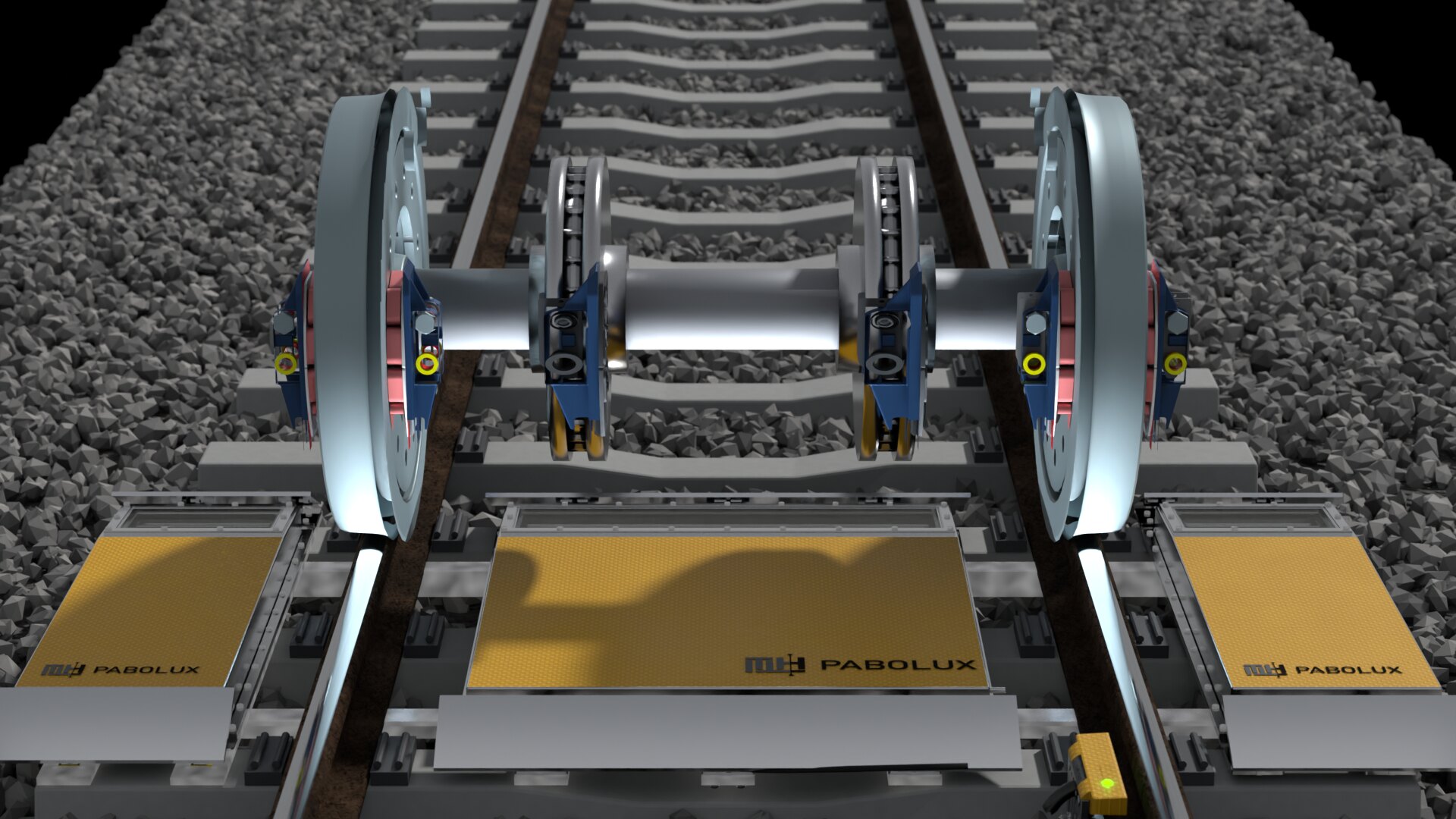
Inspection systems work outside, in the track bed or the roadway, all year. ITTH designs sealed, heated housings against water and moisture, uses oil-resistant cables and connectors, and builds self-monitoring of all components into every system. Installations are maintained remotely over the network, and updates, diagnostics and technical escalation stay with the engineer responsible for the core technology.
Design decision: keeping optics, electronics and software in one hand means a fault is analysed end to end – from the LED pulse to the database entry – instead of between suppliers.
Technical details
- Centre-track or outer-rail modules, clearance gauges kept
- Remote monitoring and maintenance
- Yearly maintenance and security updates
- Rental model with full exchange on failure (TAGDET)
Three examples of the technology at work
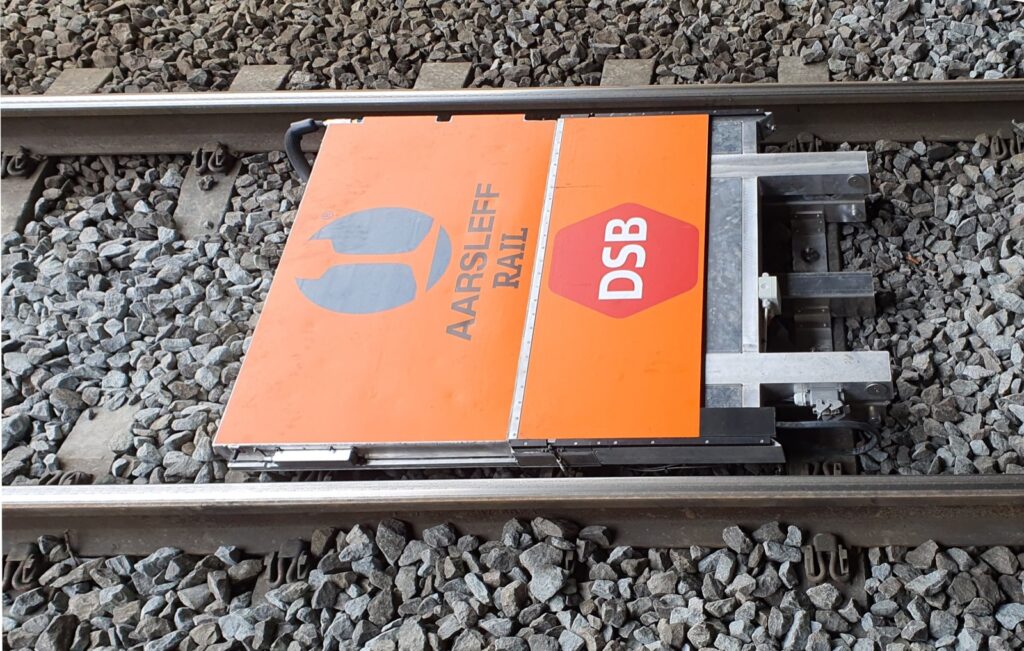
Precision measurement at railway speed
Image acquisition, axle identification, calibration and brake pad geometry – turned into a wear history for every brake.
View product →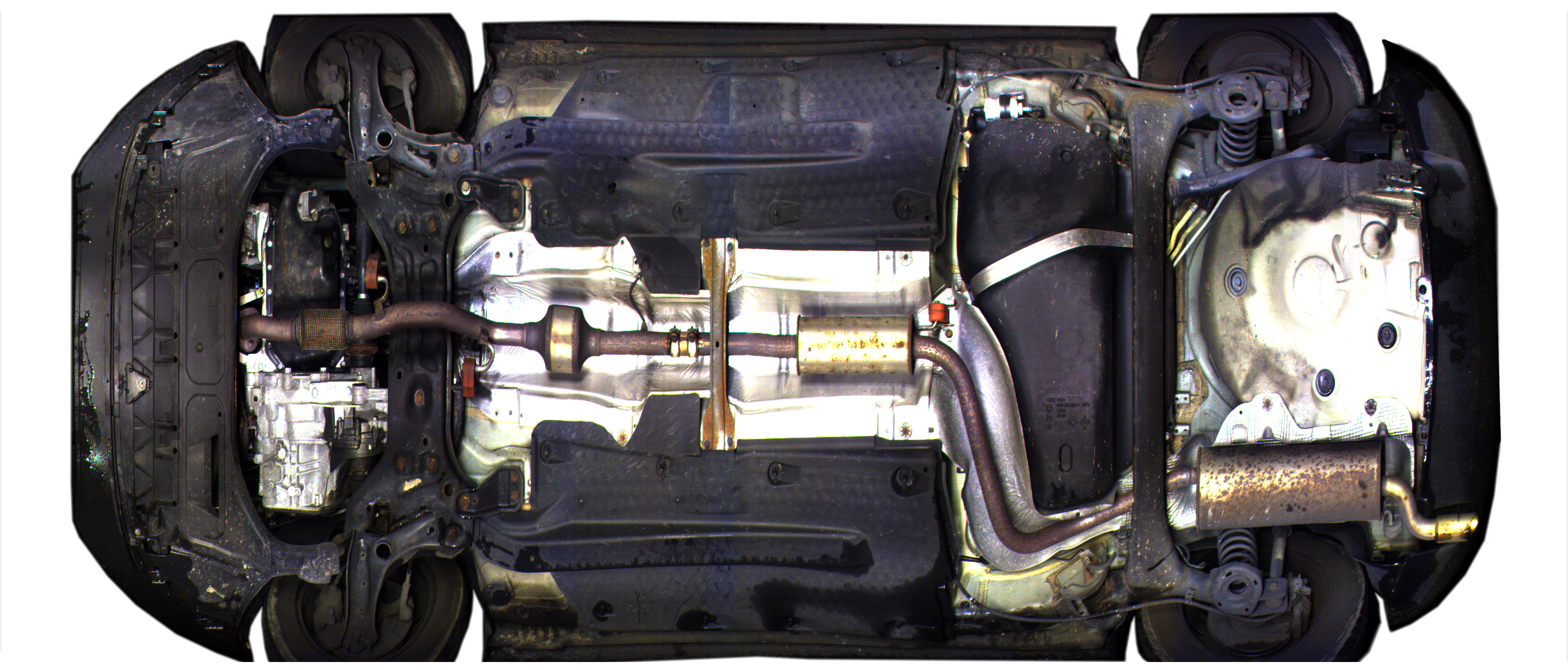
Imaging the invisible
Complete underbody images of cars and trucks, compared automatically with earlier passages of the same vehicle.
View product →Continuous freight-wagon scanning
Line-scan acquisition, own LED illumination and wagon-number association at the München Nord marshalling yard.
View product →From engineering challenge to industrial deployment
Not every inspection task fits an existing product. ITTH develops the whole system when it does not.
- Feasibility & optical conceptA test with your vehicles and conditions shows what can be seen, measured or detected – and with which cameras and light.
- Prototype & validationA working setup on site; results are compared with manual inspection before anything is fixed.
- Industrial systemHousings, identification, interfaces and software are engineered for permanent operation.
- Deployment & lifecycleInstallation and on-site service with qualified partners; remote monitoring, updates and technical escalation by ITTH.
Our engineering model
Technology is only valuable when it keeps working reliably in the field. At ITTH, system architecture, imaging, illumination, analysis and integration are developed with operational requirements in mind. Our founder-led approach keeps technical knowledge in one hand across the whole project lifecycle, while specialist partners support installation, commissioning and on-site work where required.
Support that continues after deployment
Our responsibility does not end when a system is commissioned. We have supported demanding customer installations over many years, combining deep knowledge of the core technology with project-specific service arrangements and integration partners. Responsibilities, response channels and escalation paths are defined for each installation and contract.
ITTH Vision Engineering
ABI, UVIS, TAGDET and PABOLUX are not four separate developments. They share one technology base: the illumination controller, the acquisition and analysis software, the identification modules, the ANPR engine and the server/client platform. Every new project builds on that base – which is why a custom inspection system from ITTH starts from proven components rather than from zero.
Discuss your inspection task
Tell us what has to be seen, measured or detected – and under which conditions. You discuss it directly with the engineer responsible for the technology – we reply within two working days.